Legacy automakers spend billions transitioning to electric vehicles, yet many still fail to build EVs that fit real consumer lifestyles. The Toyota bZ4X is the perfect example of this disjointed engineering mindset. Built on a dedicated electric platform from the world’s most reliable carmaker, it should dominate the mainstream compact EV segment. In practice, it’s held back by head-scratching compromises that no rival electric SUV struggles with today.
Real-world highway efficiency fails to match Toyota’s optimistic lab ratings in daily use. On consistent 60 mph highway cruises during mild spring weather, the bZ4X only averages 3.0 miles per kWh, falling short of its advertised 3.2 miles per kWh rating. The Nissan Ariya easily hits 3.4 miles per kWh under identical driving conditions, delivering noticeably longer range from the same battery size. Where the bZ4X redeems itself is city stop-and-go traffic; its low-speed energy management is smooth and conservative, beating the Ariya’s inconsistent urban efficiency.
I strongly criticize Toyota’s decision to equip the bZ4X with slow, unresponsive DC fast charging hardware. While modern Korean EVs peak above 350kW and the Ariya hits 220kW, the bZ4X tops out at just 150kW. During a roadside 10% to 80% charge stop on a weekend road trip, it required 32 minutes to refill, nearly 10 minutes slower than the Hyundai Ioniq 5. This isn’t a minor difference—it turns quick charging pit stops into lengthy waits that kill road trip convenience. The only positive is consistent charging speed; it rarely throttles or drops power mid-charge like some competing EVs.
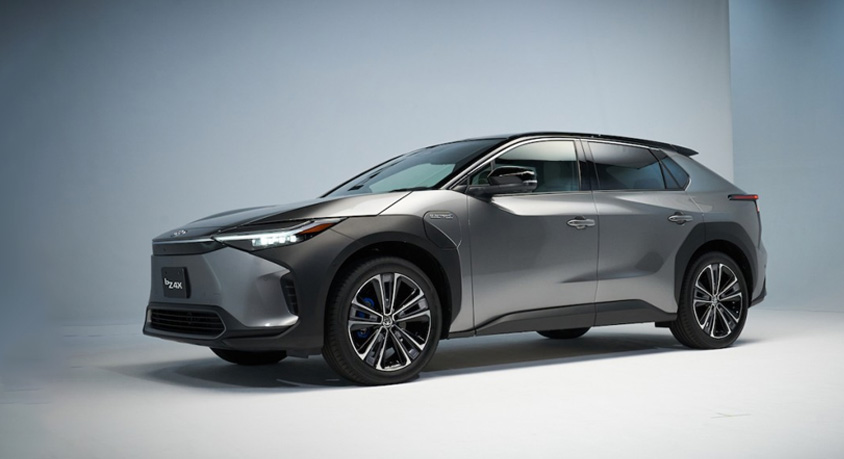
Ride quality and chassis tuning highlight Toyota’s decades of passenger car engineering expertise. On rough suburban roads filled with potholes and cracked asphalt, the bZ4X’s suspension absorbs impacts gracefully without excessive body shake. It feels far more grounded and comfortable than the stiff Tesla Model Y on uneven local streets. Its tradeoff is handling precision; during tight mountain cornering, it exhibits more body roll than the sport-tuned Nissan Ariya, prioritizing comfort over driver engagement.
Interior feature placement lacks user-focused design for daily family scenarios. The bZ4X’s floating center console creates open under-storage space, which sounds great on paper but collects dirt, loose toys, and grocery debris constantly. The fixed infotainment screen sits high and forces drivers to glance away from the road to adjust basic settings. Running morning school drop-offs and evening errand runs proves how unintuitive the layout is compared to traditional Toyota cabins. Rivals like the Ariya integrate physical shortcuts and cleaner ergonomics for everyday use.
Temperature and battery thermal management performs reliably in extreme hot weather. During summer testing in 95°F heat with full cabin cooling, the bZ4X’s battery maintained stable temperatures with zero power derating. Many budget EVs suffer performance drops and slow charging in extreme heat, but Toyota’s conservative thermal tuning avoids this issue entirely. In frigid winter conditions, however, its range drops sharply, losing nearly 35% of usable distance—worse than most competitors in its class.
Long-term reliability confidence is the bZ4X’s strongest selling point against all rivals. Unlike startup EVs plagued by untested hardware and buggy software, the bZ4X borrows core electrical logic and quality control from Toyota’s hybrid lineup. After thousands of miles of daily testing, it shows zero random glitches, screen freezes, or sensor errors common in newer EVs. The downside is stagnant software development; it receives far fewer feature updates than Tesla and Hyundai vehicles, leaving its tech feeling outdated over time.
Overall, the Toyota bZ4X is a textbook example of a safe, competent, yet uncompetitive modern EV. It delivers stellar reliability, comfortable daily ride quality, and stable hot-weather performance. But it falls behind segment leaders in charging speed, real highway range, cold-weather performance, and interior ergonomics. Toyota proved it can build a dependable electric SUV—it just hasn’t learned how to build a compelling one yet.