In an era where every new luxury SUV prioritizes electric power, giant touchscreens, and futuristic styling over core comfort, the updated 2026 Audi Q7 stands as a surprising anomaly. After testing every new luxury EV SUV and modern gas premium SUV this year, I’ve concluded one unpopular truth: traditional gas-powered luxury SUVs still deliver superior long-distance family usability that most cutting-edge EVs simply cannot match.
Long-distance road trip comfort is where the Q7 outperforms nearly all its electric luxury competitors. I completed a 12-hour cross-state family road trip with four adults and full luggage onboard, and the Q7’s multi-mode adaptive suspension maintained consistent composure across highway cracks, rolling hills, and sudden pavement transitions. Seating padding support remains firm yet forgiving, eliminating the body fatigue that plagues rigid EV sport seats. The Tesla Model X offers faster acceleration but causes far more passenger tiredness on ultra-long drives due to its stiff, efficiency-tuned suspension. The BMW X5 matches the Q7’s comfort level but falls short in cabin sound insulation.
I will never forgive modern luxury automakers for removing physical climate and vehicle control buttons to chase minimalism, and Audi’s retention of tactile switchgear is a massive win for daily usability. Every core function—dual-zone climate, seat heating, fan speed, defrost controls—has dedicated physical buttons and knobs. During chaotic morning school runs or rainy evening commutes, I can adjust settings blindly without taking my eyes off the road. Mercedes GLE’s full-touch interface and haptic controls are slow, unresponsive, and dangerously distracting in real-time driving scenarios. The only downside to Audi’s layout is a slightly busier dashboard design that lacks the sleek aesthetic of Tesla’s minimalist cabin.
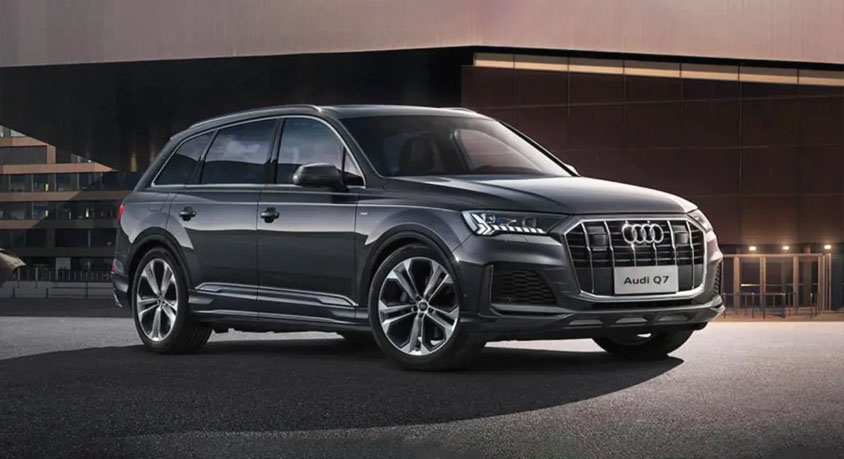
Three-row practicality for growing families gives the Q7 a persistent edge over German rival SUVs. Unlike the cramped, token third rows in the BMW X5 and Mercedes GLE, the Q7’s rear seating can comfortably fit average-sized teenagers and adults for 1–2 hour drives. On weekend sports team carpool runs, the Q7 accommodates seven passengers and their small gear bags without forcing anyone to squeeze uncomfortably. Cargo space behind the third row is admittedly limited, falling far behind the cavernous cargo hold of the Toyota Highlander, but it’s more than enough for daily family errands.
Engine refinement and fuel consistency outshines finicky modern electric powertrains in variable weather. The Q7’s 3.0L turbo V6 delivers smooth, linear power delivery in scorching summer heat and freezing winter cold with zero performance fluctuation. There is no battery preconditioning wait time, no weather-related power derating, and no range anxiety on remote highway routes. Electric luxury SUVs like the Audi Q8 e-tron offer quieter cruising but suffer from severe power and range drops in extreme cold, a non-issue for the gas-powered Q7. The tradeoff is obvious: the Q7’s gas fuel costs are significantly higher than EV counterparts for daily short commutes.
Highway safety stability is an underrated strength that keeps the Q7 competitive against newer rivals. Audi’s quattro all-wheel-drive system provides unmatched traction on wet, icy, and windy highways. During sudden rainstorms and crosswind conditions, the Q7 remains planted and predictable, with zero steering wander. Front-wheel-biased luxury SUVs struggle with slippery highway stability, while many modern EV SUVs suffer from heavy battery-induced understeer in emergency maneuvers. The Q7’s only safety-related flaw is its slightly outdated driver assist suite, which lacks the hands-free highway cruising capabilities of Tesla and newer BMW models.
Long-term ownership reliability defies the stereotype of unreliable German luxury cars. The 2026 Q7 carries refined engine and electrical components that have been perfected over generations, eliminating the glitches and hardware failures that plague brand-new EV platforms. Routine maintenance costs are higher than mainstream SUVs but far lower than luxury EV battery and software repairs. Newer electric luxury SUVs offer longer warranty coverage, but their unproven long-term hardware creates unknown ownership risks the mature Q7 avoids entirely.