Most casual car enthusiasts assume any aftermarket upgrade equals better performance and style. This dangerous misconception costs ordinary drivers hundreds of dollars in unnecessary repairs and cripples factory-engineered vehicle balance. Not all modifications improve your car; many cheap, trending mods actively destroy the daily drivability, efficiency, and long-term reliability of modern gas and electric vehicles.
Low-quality drop-in air filters are one of the most overhyped and damaging beginner mods on the market. Social media claims they boost horsepower and improve engine breathing, but budget non-oem filters allow finer road dust and micro-debris past factory sealing points. During regular suburban commuting and highway cruising, these tiny particles slowly wear cylinder walls and clog fuel injectors. Stock paper filters from Toyota and Ford provide far tighter particulate protection. Performance branded filters from reputable manufacturers deliver marginal airflow gains without risk, while cheap alternatives sacrifice engine longevity for unmeasurable fake power gains.
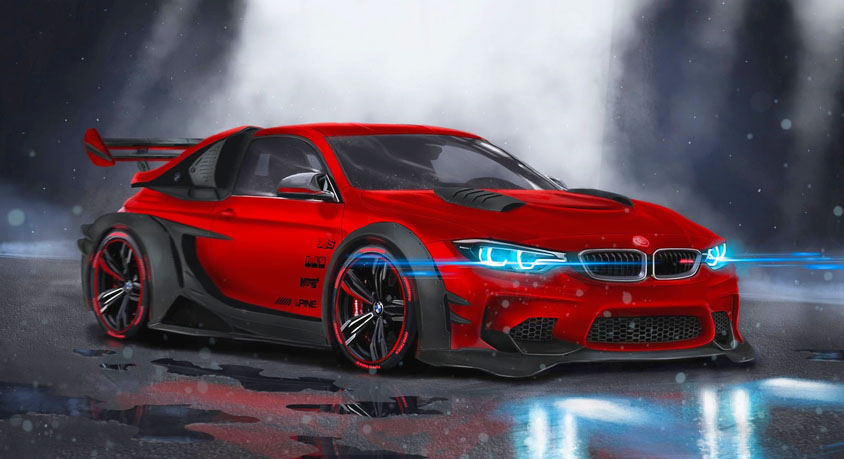
I strongly dislike fake vent spoilers and aesthetic body add-ons that disrupt factory aerodynamic engineering. Automakers spend thousands of hours tuning body airflow to reduce drag, cool brakes, and stabilize highway handling. Stick-on fake side vents, hood scoops, and thin plastic diffusers ruin calibrated airflow patterns. At speeds above 65 mph, mismatched aftermarket body pieces create turbulent wind resistance, lower real-world fuel economy, and increase high-speed steering lightness. Vehicles with stock aerodynamic design hold far more consistent highway stability than modded counterparts, even if they look less aggressive.
Generic lowering springs compromise ride geometry far more than most buyers realize. Many beginners install budget springs without upgrading shocks or realigning suspension geometry. On bumpy residential roads and pothole-ridden city streets, mismatched spring and shock setups create harsh vibration, accelerated tire wear, and premature bushing failure. Proper coilovers from premium brands improve handling and balance, but cheap lowering kits sacrifice comfort and durability for a minor visual drop. Stock suspension systems always maintain superior long-term consistency for daily driving.
Universal LED bulb swaps create hidden electrical problems most owners never detect. Cheap aftermarket LEDs lack proper load resistors and heat dissipation hardware. In daily use, they trigger hyper-flashing turn signals, drain tiny parasitic voltage, and even interfere with modern driver assist sensors. Tesla and newer European vehicles are far more sensitive to electrical aftermarket tweaks than older Japanese models, often throwing permanent error codes that require dealer resets. Stock halogen and factory LED lighting maintains flawless electrical harmony with zero hidden risk.
Noisy cheap exhaust systems destroy low-speed drivability for daily commuters. Aggressive muffler deletes and thin-walled exhaust pipes create drone resonance at cruising speeds, causing driver fatigue on long highway trips. They add no real horsepower in everyday RPM ranges, only amplifying cabin noise and vibration. Premium cat-back exhausts refine tone and improve flow without drone, but entry-level exhaust mods deliver only noise and discomfort. Stock exhaust tuning offers quieter cruising and better low-end torque for city traffic.
Modding a car for street use requires understanding factory engineering limits. A vehicle’s stock setup is calibrated for safety, efficiency, temperature management, and long-term wear. Almost every cheap trending aftermarket modification disturbs that precise balance. Minor aesthetic changes rarely cause harm, but any tweak to airflow, suspension, lighting, or exhaust carries hidden long-term consequences.