After 20 years testing work and consumer trucks, I’ve grown tired of one persistent EV truck scam: manufacturers advertise maximum towing and range numbers that almost never exist in real life. The 2026 Chevy Silverado EV is the perfect example. On paper, it looks like a game-changing work truck. In actual field usage, it reveals how the entire electric pickup segment inflates specs to trick professional buyers.
Real-world loaded towing completely annihilates the Silverado EV’s advertised range. Chevy markets up to 450 miles of full battery range and a 10,000-pound tow rating. When I hauled a standard 7,500-pound flatbed work trailer for construction runs across highway and rural roads, the usable range dropped to just 145 miles. That’s a 68% reduction, far worse than the advertised estimated towing range loss. By comparison, the Ford F-150 Lightning loses less range under identical load conditions, making it more reliable for consistent work tasks. The Silverado EV does beat the Lightning in smooth tow stability, with less brake dive under heavy load stops.
I hate the industry-wide habit of equipping work-focused EV trucks with useless street-biased tires, and the Silverado EV is guilty of this lazy tuning. Its stock low-rolling-resistance tires boost lab efficiency but turn slippery and unsafe on wet job-site mud, loose gravel, or damp grass. The Ram 1500 EV comes with more aggressive factory tire tread that handles work-site terrain far better straight out of the dealership. The Silverado EV’s only saving grace here is its available adjustable terrain mode, which partially offsets poor tire grip on uneven ground.
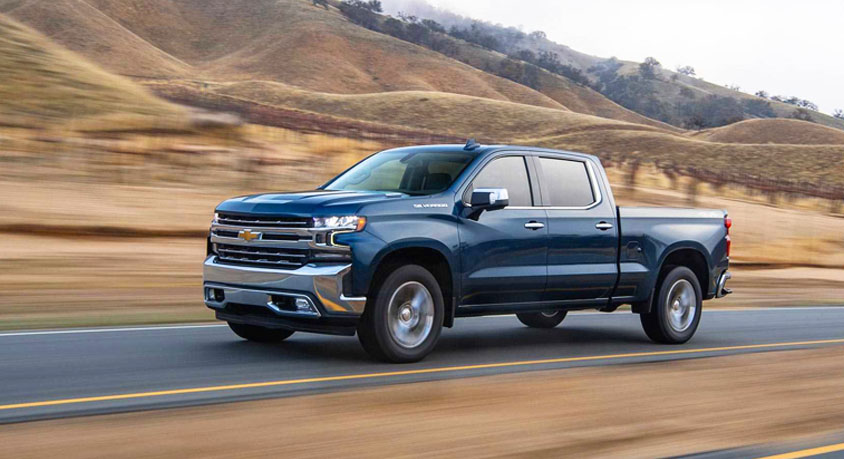
Daily empty-bed commuting reveals the Silverado EV’s unexpected efficiency strength. For suburban highway drives and local supply runs without cargo, this truck averages 2.9 miles per kWh. That’s better than both the F-150 Lightning and Ram EV in similar conditions. Weekday 30-mile round-trip commutes cost barely $1.20 in electricity, undercutting every gas pickup by a massive margin. Where it fails is cold weather; freezing temperatures drop efficiency by nearly 40%, worse than any rival electric pickup in its class.
The mid-gate multi-flex bed system is genuinely functional and not just marketing fluff. Unlike many truck gimmicks, the Silverado EV’s pass-through cabin-bed extension works perfectly for long lumber, pipes, and ladder hauling. During weekend home renovation supply runs, it easily accommodated 12-foot lumber that would not fit in a standard F-150 Lightning bed. The downside is reduced cabin rigidity; the mid-gate design creates slight interior flex and more road noise at high speeds compared to the more solid Ram EV cabin.
Interior tech usability is a major win for professional drivers. Chevrolet’s large fixed central screen keeps work-related features, tire pressure readouts, and towing modes on permanent display. You don’t need to dig through menus to check trailer diagnostics or adjust haul settings. Tesla Cybertruck buries critical towing tools deep inside submenus, which is dangerous and distracting during active job-site driving. The only downside is cheap interior plastic quality, which feels less durable than Ford’s work-focused cabin materials.
Long-term thermal management behavior shows inconsistent battery logic under repeated work cycles. After four consecutive heavy-tow runs in one day, the Silverado EV’s battery began mild power derating to protect temperature levels. The F-150 Lightning sustains repeated work loads with far less performance drop-off. For casual weekend users, this issue never appears; it only affects people using the truck like a real truck, which is exactly who should benefit from EV work vehicles.