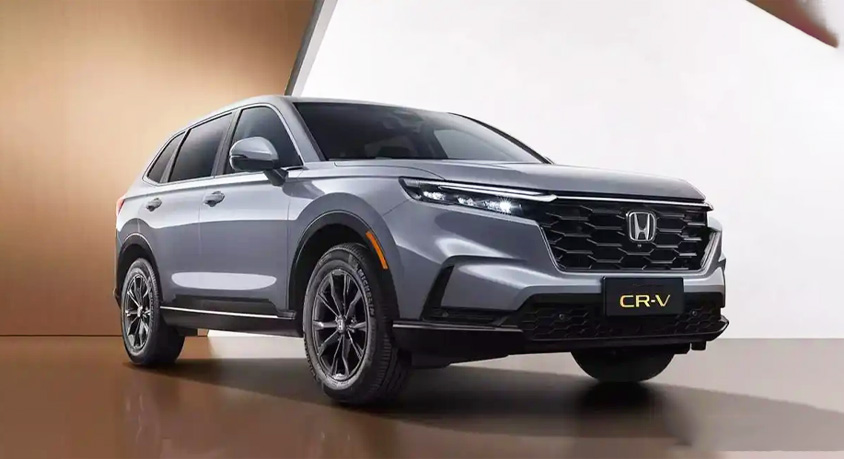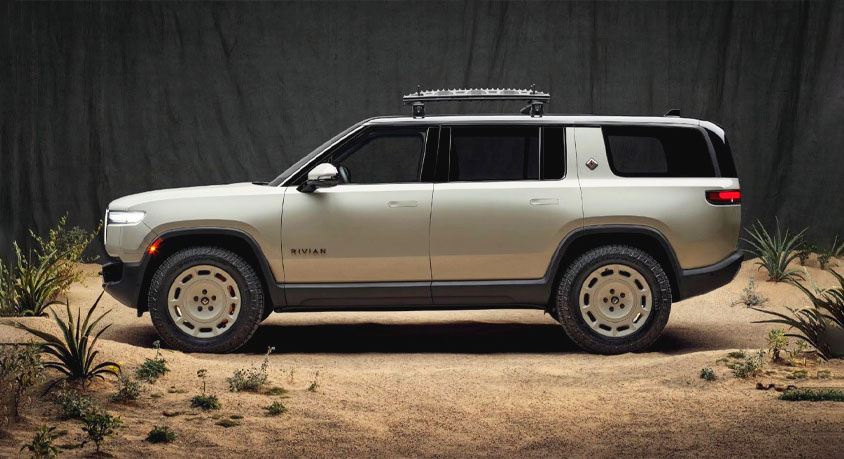
I was sitting in the parking lot of a local Home Depot last Tuesday, watching a guy in a brand-new, six-figure luxury SUV try to back into a space. He wasn't looking out the window; he wasn't checking his mirrors; he was staring at his center console like a teenager mesmerized by a TikTok feed. He came within an inch of flattening a stray lumber cart because his "birds-eye view" camera had a digital glitch exactly where the metal corner of the cart was lurking. We have reached a pathetic point in automotive history where the average driver has more faith in a ten-dollar CMOS sensor made in a sweatshop than they do in their own god-given peripheral vision. If you think that glowing rectangle on your dash is showing you the whole truth, you’re not just lazy—you’re a liability.
The marketing departments at places like Mercedes and Tesla love to sell you on the dream of the "unbreakable safety bubble." They want you to believe that their arrays of ultrasonic sensors and high-definition lenses have rendered the human neck obsolete. It’s total corporate hogwash. Every backup camera on the market uses a wide-angle, or "fisheye," lens. While this gives you a broad view, it creates a massive deception regarding depth perception. Objects at the edges of the frame are actually much closer than they appear, and the center is warped. Relying solely on that screen is like trying to navigate a dark hallway by looking through a peep-hole; you see the door at the end, but you’re going to trip over the cat sitting right at your feet.
I have a particular, burning hatred for the new trend of digital rearview mirrors—those screens that replace actual glass with a video feed. When you look at a traditional mirror, your eyes maintain their long-distance focus, allowing you to switch between the road ahead and the view behind in a fraction of a second. With a digital screen, your eyes have to physically refocus on a flat surface two feet in front of your face. It’s jarring, it’s unnatural, and it’s a solution to a problem that didn't exist until designers decided to make rear windows the size of a mail slot. It feels like trying to drive while wearing someone else's prescription glasses.
Compare this to the cockpit of something like an older BMW 3-Series or even a modern Subaru Forester. Those cars were designed by people who understood that glass is the best safety feature ever invented. In a Forester, the pillars are thin, and the greenhouse is massive; you actually feel connected to the world around you. In contrast, something like a Tesla Model Y or a modern Chevy Camaro feels like driving a pillbox bunker. You’re forced to rely on the cameras because the car’s styling has murdered your natural sightlines. The steering might feel sharp—in the Camaro’s case, like a heavy, purposeful mechanical connection—but if you can’t see the curb you’re about to curb-rash your 20-inch alloys on, that precision doesn't mean much.
Think about a typical Saturday morning: you’re backing out of a cramped driveway, heading out to drop the kids off at soccer practice. A kid on a bicycle zips behind you from the sidewalk. A backup camera, mounted low near the license plate, has a vertical blind spot. It can see the ground three feet behind you, but it can’t see a person or an object moving quickly into your path from the side until they are already in the "kill zone." This is why physical mirror adjustment is a dying art that needs a resurrection. Most people adjust their side mirrors so they can see the side of their own car. That’s wrong. Your car isn't going to hit itself. You should angle them out until the side of your car disappears, overlapping the view with your rearview mirror to eliminate the blind spots that cameras simply can't cover.
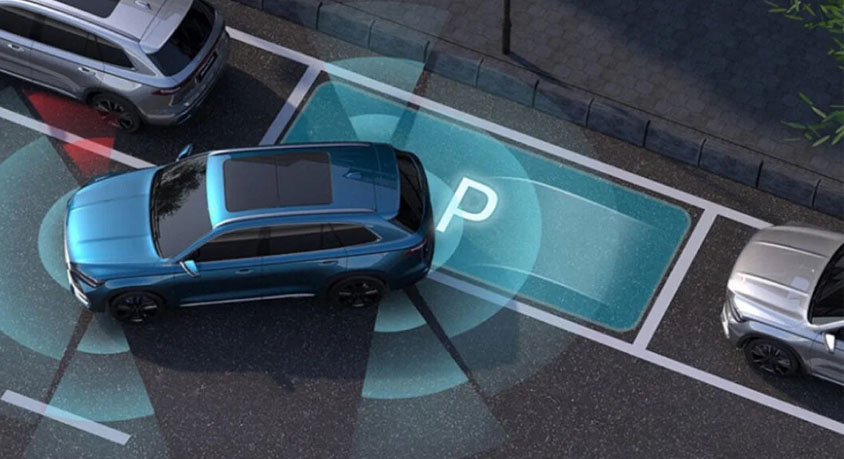
Modern drivers are losing the "seat-of-the-pants" feel that defines a real enthusiast. When you rely on a beep to tell you when to stop, you stop learning the dimensions of your vehicle. You stop feeling that slight change in the air or the shadow moving in your peripheral vision. I’ve driven enough test cars to know that sensors fail. They get covered in road salt during a Detroit winter; they get blinded by direct sunlight; they get confused by heavy rain. When that "beep" doesn't happen because a sensor is caked in mud, you’re going to hear the sickening "crunch" of expensive plastic meeting a concrete pillar. It’s a sound that should haunt your wallet.