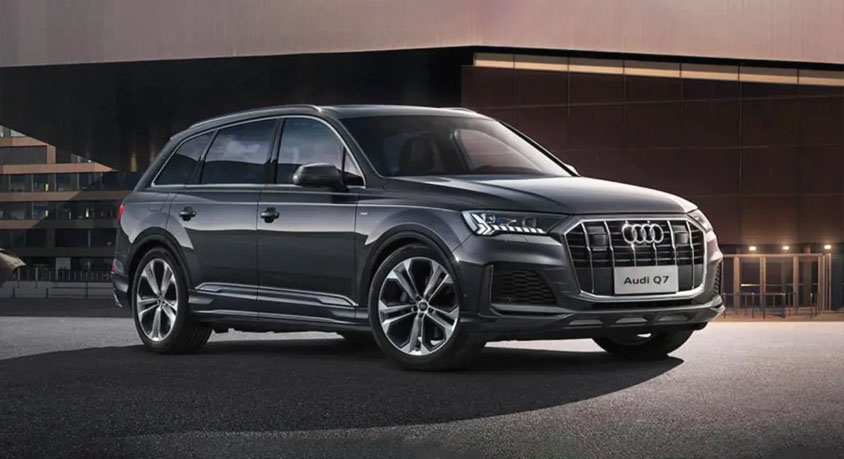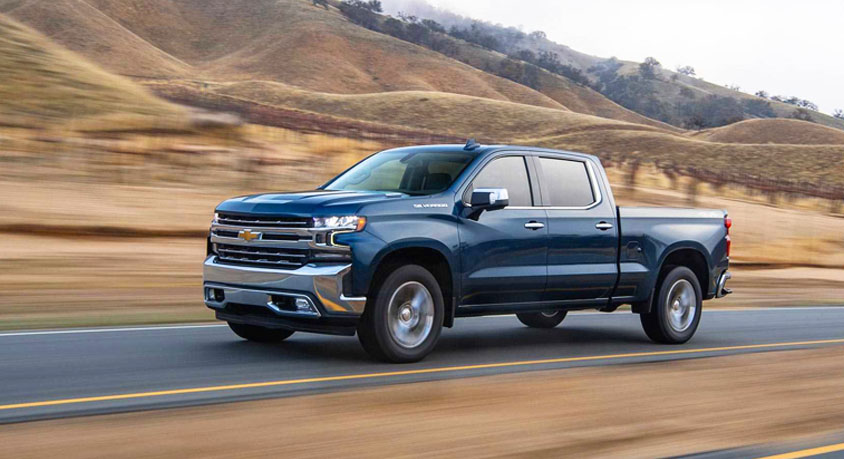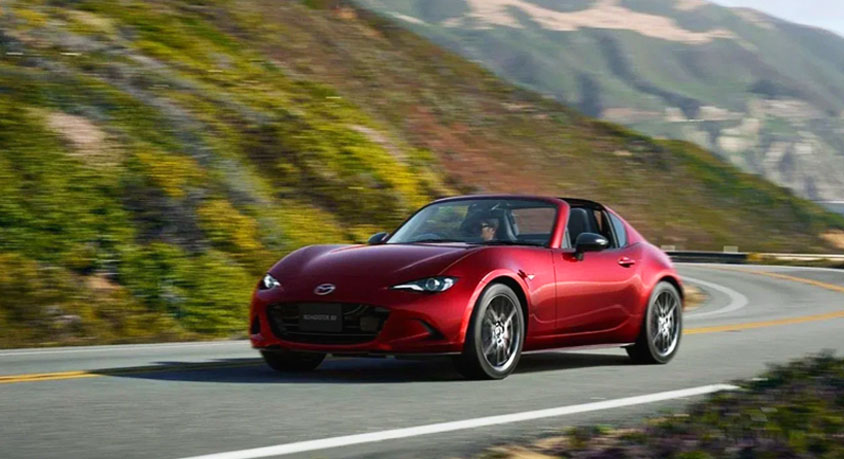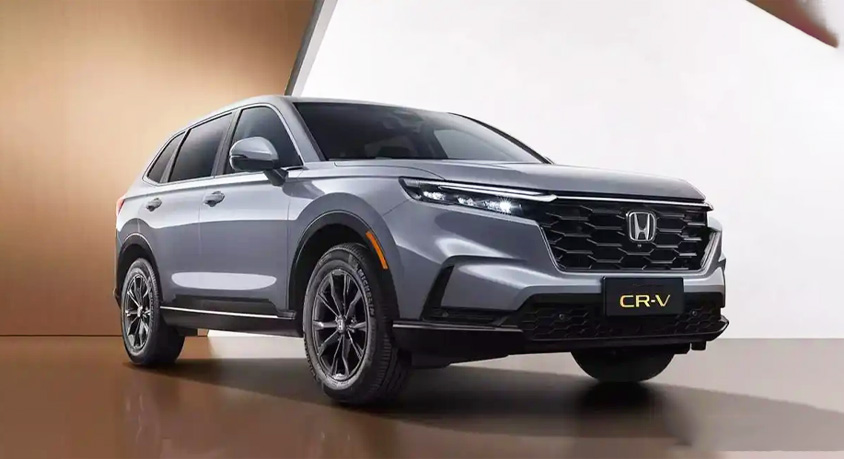
Many automotive journalists declared the manual transmission dead half a decade ago. Automatic gearboxes and modern EV single-speed setups were supposed to phase out stick shifts entirely, consigning them to classic car collections only. Yet everyday new-car buyers and casual enthusiasts are breathing new life into manual-equipped models, and the reason has nothing to do with nostalgia.
Modern automatic transmissions have created a growing disconnect between driver and machine that more people are starting to notice. New 10-speed automatics and dual-clutch systems prioritize speed and efficiency above all else, shifting constantly to chase optimal fuel numbers. In daily suburban driving, this creates a disjointed feeling where the car always seems one step ahead of the driver. Manual cars let drivers dictate gear selection, engine response, and power delivery, bringing intentionality back to ordinary commutes.
I find it frustrating how modern performance cars filter every rough input to deliver perfect, sterile drives. Most new sports cars correct driver mistakes automatically, smoothing out poor throttle control and improper shifting logic through computer intervention. While this makes driving easier and safer, it removes skill from the equation entirely. Manual-transmission vehicles reward smooth inputs and disciplined driving style, turning routine backroad cruises into an active, engaging experience instead of a passive ride.
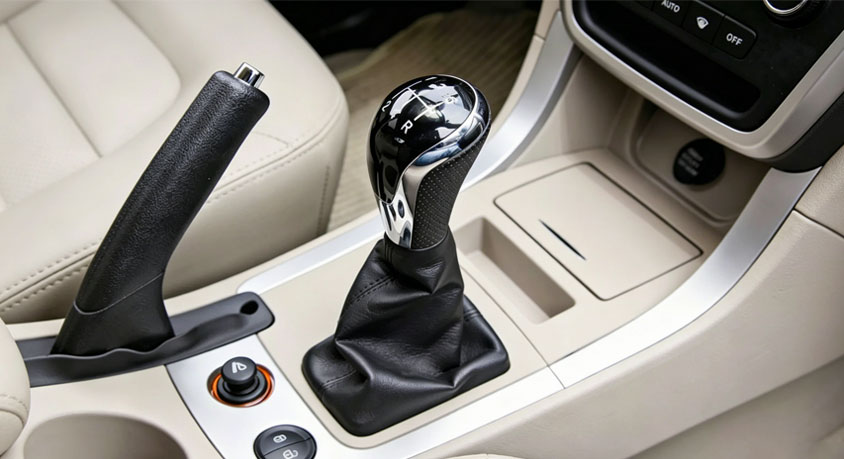
Traffic fear is the most overblown myth surrounding modern manual cars. Most shoppers avoid stick shifts because they fear stressful stop-and-go city driving. Modern manual vehicles come with rev-matching technology, hill-start assist, and light clutch feel that eliminate the old-school struggles of stalling or rolling backward. In everyday rush-hour traffic, today’s calibrated manual setups feel far more user-friendly than older generations, making city driving completely manageable for average drivers.
Fuel economy gaps no longer make manuals obsolete. Ten years ago, automatics were significantly less efficient than well-driven manual cars. Today’s multi-speed automatic transmissions and adaptive ECU tuning often match or beat manual fuel mileage. This removes the last practical reason to avoid automatics. Buyers now choose manual transmissions purely for driving enjoyment, not for saving gas—a massive shift in consumer motivation.
Resale value trends have flipped unexpectedly in recent years. Previously, manual cars sold slower and depreciated faster because of limited demand. Now, rare manual variants of popular sport compact cars and hot hatches hold value incredibly well. Limited production stick-shift models have become collector-friendly vehicles, as fewer new cars offer manual options each year. This means manual cars are no longer risky long-term purchases—they’re slowly becoming niche assets.
The biggest downside remains driver accessibility. Manual cars are not ideal for every household. If multiple family members share the same vehicle, a manual transmission limits usability and creates a learning barrier. Automatics remain the smarter choice for busy families, fleet use, and long-distance highway cruising where relaxation is the priority. Manual shifting adds workload during fatigue-heavy night drives, which is why it will never fully replace automatic gearboxes for mainstream use.