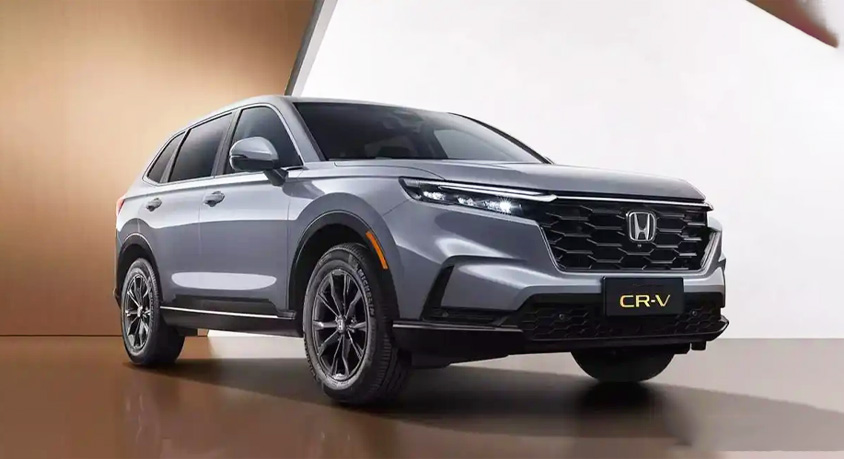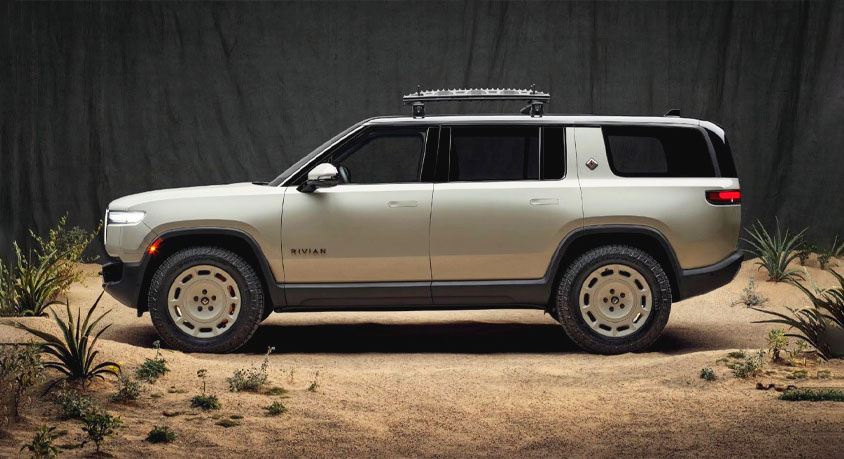
I was standing outside a steep driveway in San Francisco last month, watching a neighbor pull up in a pristine, German-engineered SUV that likely cost more than my first three houses combined. He slammed the gear selector into 'P', hopped out, and the entire two-ton machine groaned and rocked back six inches like a wounded animal. I could almost hear the mechanical scream coming from his transmission casing. Most drivers think that putting a car in "Park" is a definitive, foolproof way to stop it from moving. They are treats the "P" on their shifter like a magical anchor, but in reality, they are relying on a piece of metal no larger than your thumb to hold back thousands of pounds of gravity. If you are one of those people who hits 'P' before you set your parking brake, you are essentially using your expensive transmission as a glorified wheel chock.
Let’s talk about the Parking Pawl. It is a simple, brute-force mechanical latch inside your automatic transmission. Imagine a gear with heavy teeth on it, and a small metal finger—the pawl—that drops into one of those teeth to lock the output shaft. When you park on a steep grade and let the car roll back into the 'P' position before engaging the handbrake, you are forcing that tiny metal finger to bear the entire shear load of the vehicle. It’s like trying to stop a rolling bowling ball with a toothpick. You’ll know you’ve messed up when you try to leave; you’ll have to yank the shifter out of 'P' with a violent, heart-wrenching "CLUNK" that vibrates through your palm. That sound is the metal-on-metal stress of the pawl struggling to disengage while being crushed by the weight of the car.
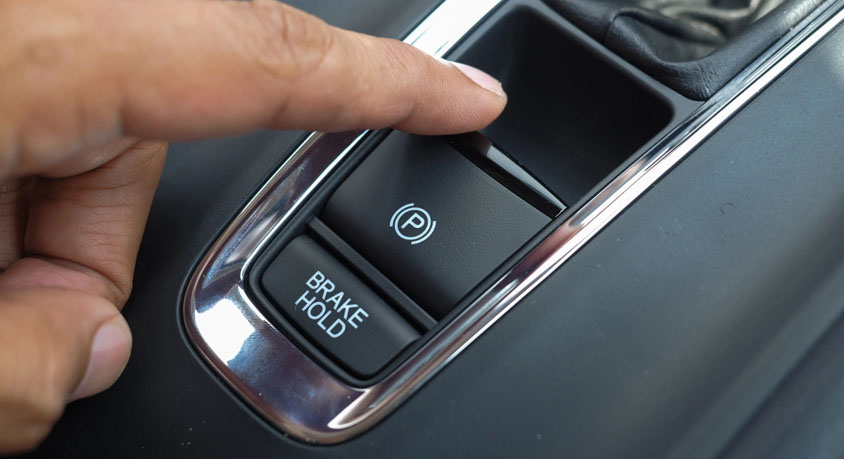
I have a particular, visceral disdain for the modern electronic parking brake (EPB) buttons that have replaced the glorious, ratcheting hand levers of the past. There was a tactile honesty to pulling a lever and feeling the tension in the cable—it felt like you were actually doing something mechanical. Now, we have these flimsy plastic tabs that look like they belong on a cheap microwave. It’s another example of manufacturers adding complexity where none was needed, just like those hideous hidden door handles that refuse to pop out when it’s ten below zero in Chicago. They want to automate everything because they assume the average driver is too distracted to handle a simple three-step parking procedure.
If you’re driving something like a Honda Accord or a Toyota Camry, the engineers have built in enough "idiot-proofing" to keep the transmission from exploding immediately, but the wear is cumulative. Compare that to the ZF 8-speed in a modern BMW or a RAM truck—a masterpiece of shifting speed—but one that is far more sensitive to being treated like a tractor. When you’re at Home Depot loading up a dozen bags of mulch and two-by-fours, that extra weight makes the "Park-first" mistake even more dangerous. You’re not just stressing the pawl; you’re putting unnecessary tension on the engine mounts and the entire drivetrain.
The correct sequence is non-negotiable if you want your gearbox to last 200,000 miles. Stop the car with the foot brake. Keep your foot buried in the carpet. Shift to Neutral. Engage the parking brake—whether it’s a classic lever or one of those soul-sucking electronic buttons. Now, slowly release the foot brake and let the car settle. You will feel it "bite" as the brake pads take the load. Only then do you move the shifter into 'P'. By doing this, you’ve ensured that the brakes—the components designed to stop the car—are doing the heavy lifting, while the parking pawl is just there as a secondary safety net. It’s the difference between hanging a heavy picture frame on a sturdy wall stud versus hanging it on a piece of drywall with a prayer.
I’ve heard the counter-arguments from the "Tesla-mentality" crowd who believe the computer handles everything. Sure, many modern cars will automatically engage the EPB when they sense an incline, but sensors fail. Software glitches. Mechanical hardware, when used correctly, rarely does. Relying on an algorithm to save your transmission is like relying on a weather app to tell you if you need an umbrella while you’re already standing in a puddle. There is a specific kind of satisfaction in a perfectly executed parking maneuver on a 20-degree grade where the car doesn't move a millimeter when you let go of the pedals. It feels stable, rooted, and respected.
We live in a world where cars are increasingly treated as disposable appliances, but for those of us who actually open the hood and get grease under our fingernails, the transmission is the heart of the driving experience. Whether you’re commuting to work or taking the family on a cross-country road trip, the last thing you want is a snapped pawl or a jammed gear selector because you couldn't be bothered to wait two seconds to follow the right order. Treat your transmission with a little empathy. It’s a complex dance of gears, fluid, and friction. Don't make it act like a doorstop. Your wallet, and your gearbox, will thank you when you’re still driving that same car a decade from now without a "rebuild" bill in sight.